

Results before aesthetics
Of course the work should look good — a page that looks cheap never gets trusted. But design isn’t the goal. Every element is there to do a job, and success is counted in enquiries and revenue, not in awards.
I’m Christoph Sacher. I’ve been building for the web since 2014, delivered more than 120 projects, and I keep three or four running at a time — so yours gets a person, not a position in a queue.
Based in Vienna. Working across Austria, Germany and Switzerland, in German and English.
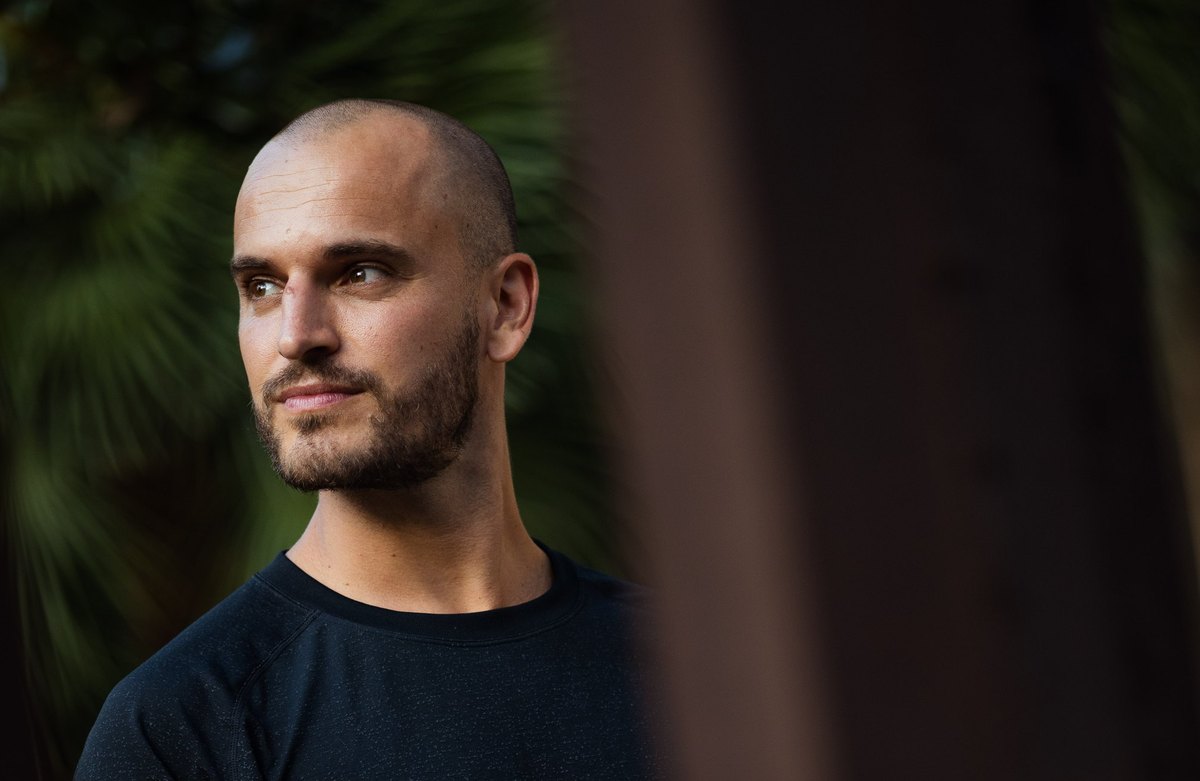
Christoph SacherFounder · strategy, copy, design, build
Hands-on in, every week
 Webflow
 Framer
 WordPress
 Google Ads
 Meta Ads & CAPI
 GA4
GA4Why this exists
Before Resultstars I worked inside companies and alongside agencies, and the same pattern kept repeating. Resultstars is the correction to it.
None of that requires bad people. It’s what happens when a project passes through five pairs of hands and nobody owns the outcome. So I built the opposite: one pair of hands, a small number of projects, and a number at the end that either moved or didn’t.
Websites, funnels, shops and the tracking behind them — mostly for companies in Austria, Germany and Switzerland. Thirty-three of them are in the portfolio with a real screenshot; the rest were never mine to publish.
Because there is no team. Resultstars is me: the call, the strategy, the copy, the design, the build, the tracking and the email you get back. When a project genuinely needs a photographer or a native translator, I bring in someone I have worked with for years — and I tell you.
Wondering whether I’m the right fit for your project? Twenty minutes will tell you.
What I hold to
Everything else about this studio is negotiable — the scope, the platform, the timeline. These three aren’t.
Of course the work should look good — a page that looks cheap never gets trusted. But design isn’t the goal. Every element is there to do a job, and success is counted in enquiries and revenue, not in awards.
No hidden costs and no buzzword reports. You see what I’m doing, why, and what it changed. If something isn’t working, you hear it from me first — including when the honest answer is that you don’t need what you came to buy.
Three or four projects at a time, deliberately. It’s the only way each one gets real thinking instead of a template with your logo on it — and the only way a timeline I give you is one I can actually hold.
What I believe a page is for
It isn’t a style. It’s the order a visitor’s own head works in, and it’s the reason the copy gets written before the layout. I call it the Resultstars Webdesign Method™.
The sequence mirrors the visitor’s own journey: I understand it. → I believe it. → I want it. → I act.
Clear beats clever
Within seconds a visitor should know what you offer, who it is for, why it matters and what to do next. No clever headlines, no confusing navigation.
People buy when uncertainty disappears
Real faces, real work, credentials, guarantees, results. Every section answers one silent question: why should I believe you?
People need to want the outcome
Don’t describe services — show the transformation. Problem → solution. Before → after. Until the visitor thinks: this is exactly what I need.
Every page should lead somewhere
One primary call to action, well placed. Short forms. Minimal friction. Mobile-first paths. Don’t make people work out what to do next.
What actually changes
Both can hand you a website. The difference is who does the work, how quickly a decision gets made, and who is still there in month six.
In my own words
I can’t promise you a conversion rate before I’ve seen your data. Here is what I can promise, and the numbers behind it.
“You don’t get an account manager, a kick-off workshop and a slide deck. You get me, a fixed price, and a page with one job.”
I won’t quote you a percentage before I’ve seen your numbers, I won’t put invented testimonials or borrowed logos on your site, and I won’t start work on a price we haven’t agreed. The figure we settle after the free call is the figure on the invoice — if the scope changes, we talk about it before anything gets built, not after.
Twenty minutes, no deck, no obligation — just a straight answer on what your page has to do.
Where I know the levers
Ten years in the DACH region means some industries I know from the inside — the objections, the buying cycle, what a lead is actually worth.
The awkward questions
Yes. Strategy, copy, design, build and tracking are all me. For the few things that genuinely need a specialist — a photo shoot, a video, a translation into a language I don’t write to publishable standard — I bring in people I’ve worked with for years, and I tell you who they are and what they cost. You never find out afterwards.
This is the honest downside of a one-person studio, so I plan around it rather than pretend it away. Holidays are known in advance and never sit inside a delivery week. Because I run three or four projects instead of thirty, there’s slack in the schedule to absorb a bad week. And if a date is going to slip, you hear it from me before the deadline, not after.
Because attention is the only thing separating this from a production line. Writing the copy for a page means understanding your offer, your objections and your competitors properly — that takes days, not an afternoon. Four projects is roughly where that stops being possible. It’s also why there are sometimes no slots open.
For a website, a funnel, a shop and the tracking and ads behind them: yes, and usually faster, because there’s no internal handover. For a national brand campaign with a film crew and a media plan across six channels, no — and I’ll say so on the call rather than take the project and subcontract it.
A fixed price, in writing, after a free twenty-minute call — based on what the page actually has to do, not on an hourly rate. You get the number before you commit to anything, and it doesn’t move unless the scope does.
German and English, both to a standard you’d publish. Most clients are in the DACH region, so the German copy is usually the one that has to sell — and I write it myself rather than run an English draft through a translator.
Vienna. In practice the work runs remotely across Austria, Germany and Switzerland — calls, a shared board, and a staging link you can open at any point. If you’re in or near Vienna and would rather meet in person, that’s easy to arrange.
A free call, no deck and no obligation. You leave with a straight answer on what your page needs to do, what it would cost and how long it would take — whether or not you end up working with me.
Reply within 24 hours. Four project slots open.
Projects at a time. Yours gets a real share of the week, not a slot on a production line.